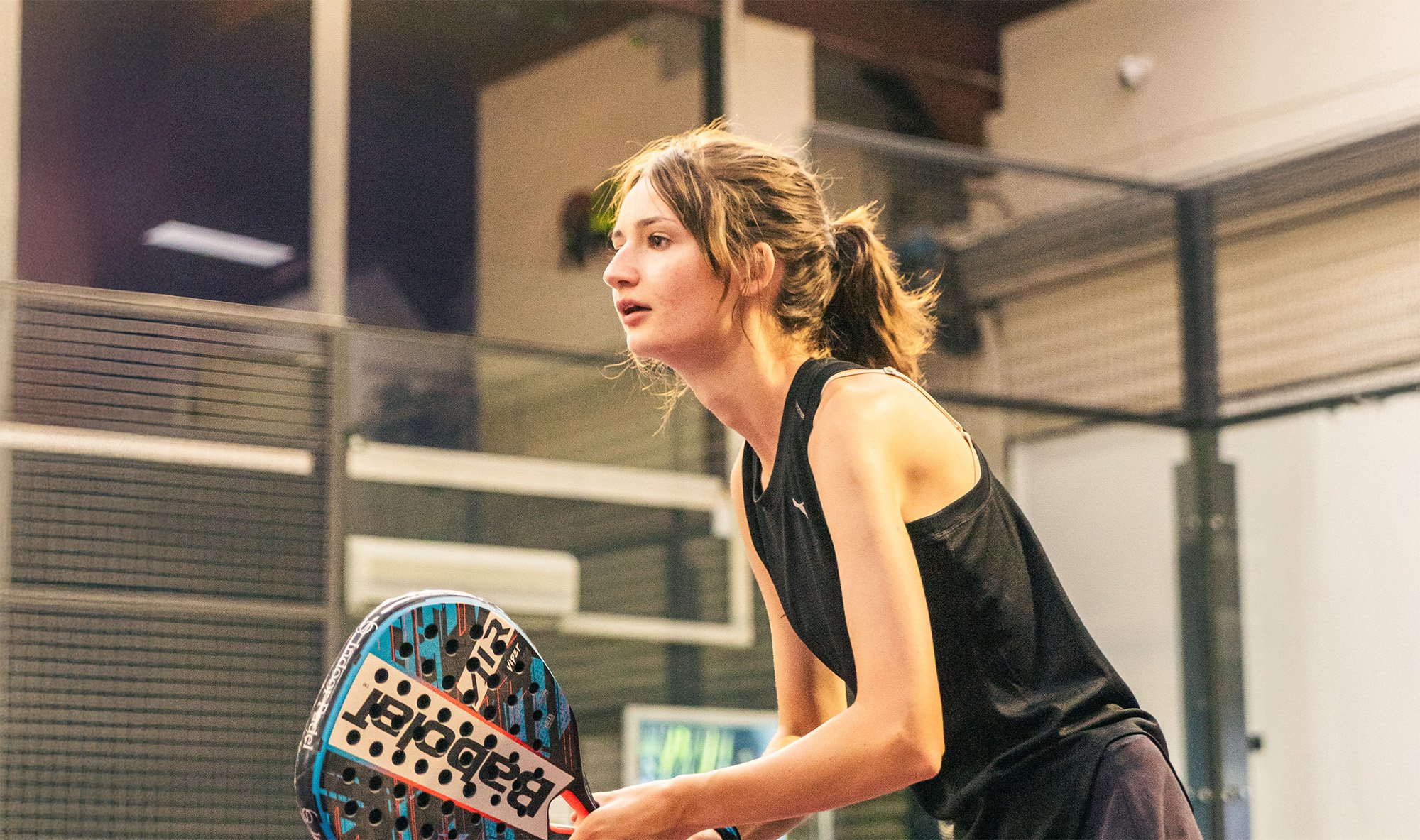
Your complete starter guide to the fastest-growing racket sport. Everything you need to know before your first game.
Padel is taking New Zealand by storm, and for good reason. This exciting racket sport combines the best elements of tennis and squash while remaining accessible to players of all ages and fitness levels. Unlike tennis, padel's underhand serve and smaller court size mean beginners can start enjoying proper games from their very first session. With over 31 courts now operating across five regions, getting started has never been easier.
Padel stands out from other racket sports through its unique combination of accessibility and excitement. The underhand serve eliminates the intimidation factor that puts many people off tennis, while the glass walls and mesh fencing keep balls in play much longer than traditional court sports.
The genius of padel lies in how quickly newcomers can enjoy competitive rallies. Where tennis beginners might struggle to keep balls in play, padel's walls and forgiving serve mean longer, more engaging exchanges from day one. The social doubles format also means less pressure on individual performance while building friendships on court.
Padel rules follow tennis scoring but with important differences that make the game more accessible:
Identical to tennis: 15, 30, 40, game. Six games wins a set. Most recreational play uses best of three sets, though many clubs play best of five games for shorter sessions. "Golden point" (sudden death at deuce) is popular in New Zealand to keep games moving.
Court Shoes: Non-marking soles essential. Regular tennis or indoor court shoes work perfectly. Avoid running shoes which can mark artificial turf and provide less lateral support.
Clothing: Comfortable sports clothes suitable for movement. New Zealand courts are mostly outdoor, so weather-appropriate layers are useful.
Water and Towel: Courts can get warm, especially during summer sessions.
Racket: Most venues rent rackets for $5-10. Try different weights and brands before buying. Padel rackets have solid surfaces with holes, not strings like tennis rackets.
Balls: Similar to tennis balls but slightly less pressurized. Usually included in court hire fee.
Don't rush into buying equipment. Play several sessions with hired gear to understand your preferences before investing in your own racket.
Auckland - Indoor Padel NZ: Climate-controlled courts perfect for learning without weather worries. Offer beginner classes and equipment rental.
Auckland - Glendowie Padel: Community-focused venue known for welcoming beginners. Family-friendly atmosphere with patient staff.
Wellington - Padel House NZ: Only option in the capital but excellent quality. Indoor courts solve Wellington's wind issues. Regular beginner sessions.
Papamoa - The Padel Club NZ: Incredibly welcoming community with skill-based WhatsApp groups. Easy to find games at beginner level.
Hamilton - Padel Park Hamilton: Launching formal coaching in April 2026. Good option for Waikato beginners.
Most venues offer online booking systems. For your first visit, consider calling to discuss beginner options - many clubs can connect you with other new players or recommend quieter times to practice.
Off-peak times (weekday mornings and early afternoons) typically cost less and provide more relaxed environments for learning.
Start with gentle rallying to get a feel for the racket and ball behavior. Focus on consistent contact rather than power. Practice the underhand serve - it's easier than it looks but requires a few attempts to get the rhythm.
Experiment with wall play gradually. Let balls hit the back wall and bounce back to you rather than trying to intercept everything. This is the most unique aspect of padel and takes time to judge correctly.
Don't worry about perfect technique initially. Padel's forgiving nature means you can enjoy competitive points even with basic skills. Focus on getting the ball over the net consistently and understanding court positioning.
The serving system in doubles means you only serve every fourth game, reducing pressure compared to tennis where serving can intimidate beginners.
Hitting too hard: Power isn't everything in padel. Placement and consistency beat aggressive hitting at beginner levels.
Wrong grip: Use a continental grip (like shaking hands with the racket) for both forehand and backhand.
Chasing wall balls: Let balls hit the back wall and come back to you rather than turning to hit them against the wall.
Standing too far back: Court positioning is crucial. Stay closer to the net than you would in tennis.
Playing as individuals: Padel is about teamwork. Move as a pair with your partner.
Ignoring the lob: The lob is padel's most important shot for creating opportunities.
Always going for winners: Building points gradually is more effective than attempting outright winners.
Most players need 6-8 sessions before feeling confident in casual games. Regular weekly play accelerates improvement significantly.
Budget around $10-15 per session including court and equipment hire when starting out. Once you own equipment, ongoing costs drop to just court hire fees.
Book court time to practice serves and basic shots. Many venues allow solo practice during off-peak hours at reduced rates. Wall drills help develop timing and ball control.
Most clubs maintain WhatsApp groups or social media pages for organizing games. Many venues run regular social sessions specifically for beginners. Don't be shy about introducing yourself to other players - the padel community is notably welcoming.
Observe experienced players during club sessions. YouTube offers excellent instructional content, though in-person coaching remains most effective for beginners.
Padel is generally low-impact but proper preparation prevents injuries:
The social doubles format means less individual physical demand compared to singles tennis, making padel accessible to players of varying fitness levels.
Once you've mastered the basics, consider:
The progression from beginner to intermediate happens quickly in padel. With regular play and occasional coaching, most new players compete comfortably in club events within 3-4 months.
Ready to find courts near you? Check our complete venue directory. Interested in professional instruction? Our coaching guide covers everything you need to know about lessons in New Zealand.
Last reviewed: March 2026